Paving technology advantages
- Ideal for road-vehicle floor surfaces and garage areas.
- Easy to clean and resistant to outdoor fouling.
- High tensile strength for robust support.
- Long-lasting performance when the base is correctly prepared.
Concrete Paving
Concrete paving is the bonded installation method for outdoor porcelain slabs when a firm cement base, outdoor adhesive and controlled drainage are required. It suits exterior floors where load, edge control and long-term cleaning performance matter.
Catalogue-Based Guide
Concrete paving is the bonded installation method for outdoor porcelain slabs when a firm cement base, outdoor adhesive and controlled drainage are required. It suits exterior floors where load, edge control and long-term cleaning performance matter.
Advantages And Scenes
These points are rewritten from the catalogue content as clear page text instead of embedded image text.
Structure
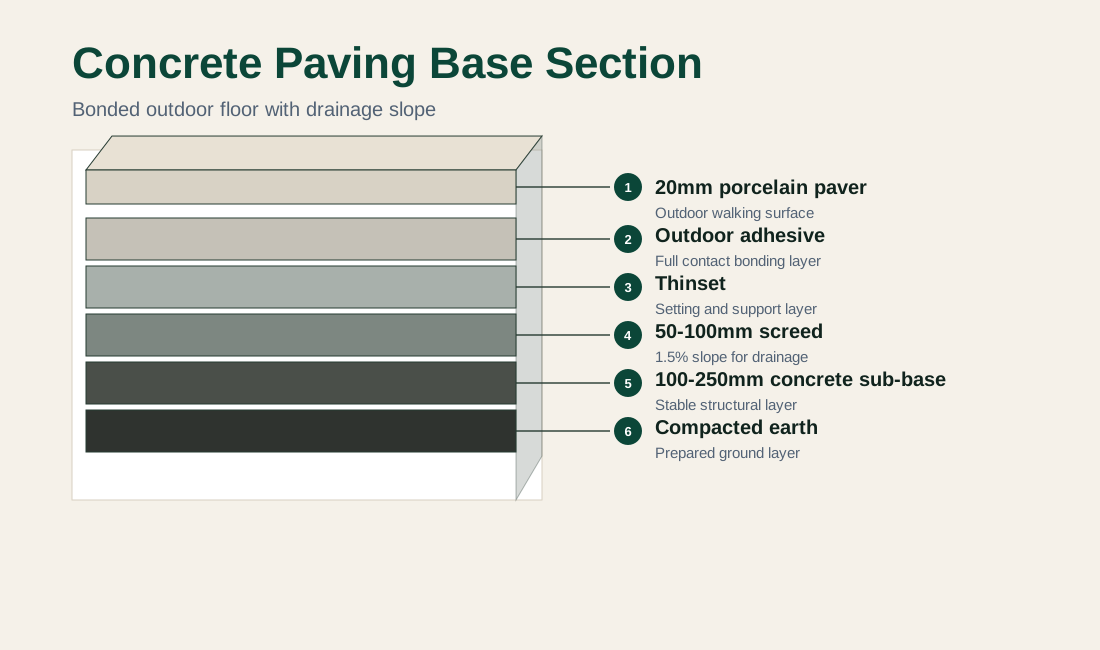
Layer and component information is listed in HTML, while the cropped diagram is used only as supporting visual material.
| No. | Layer or component | Planning note |
|---|---|---|
| 1 | 20mm Maika porcelain tiles | Visible outdoor paver surface. |
| 2 | Outdoor adhesive | Bonds the porcelain slab to the base. |
| 3 | Thinset | Helps create full contact below the slab. |
| 4 | 50-100mm screed with 1.5% slope | Creates a level, compacted setting layer and drainage fall. |
| 5 | 100-250mm concrete sub-base | Provides structural support for the paved area. |
| 6 | Earth | Compacted ground layer below the paving build-up. |
Construction Guide
The steps keep the catalogue's technical intent while making the text readable on desktop and mobile.
When paving over an existing smooth or glossy floor, adjust the surface for stability and apply grout slurry to the keyed surface to improve bonding with the mortar layer.
Prepare screed with 1 part cement and 4 parts sand. Shovel the mix to a 50-80mm depth, compact evenly, remove excess with a straight edge and check levels regularly.
For driveways and exterior projects, keep a 1.5% slope so rainwater can drain away from the porcelain surface.
Cement-based materials need moisture until hydration is complete. Leave screed at least 3 weeks before tiling; thicker substrates need longer drying time.
Once the cement base is dry, fix slabs with a suitable outdoor adhesive. Back-butter porcelain slabs to fill voids and use a leveling system.
Leave at least 24 hours for adhesive to dry, grout as required, and avoid walking on the floor for at least 24 hours after grouting.
Project Notes
Use these notes during sample confirmation, quotation and installer coordination.
Porcelain stoneware is waterproof, so the installation must include the proper slope for its use conditions. If surface water remains, brush it toward grout lines or remove it with a wet-dry vacuum cleaner.
Use this method for stable exterior floors where bonded fixing, vehicle movement, outdoor furniture and frequent cleaning are part of the project brief.
More Solutions
Related entries are available from the navigation dropdown and this page group.
Lawn paving for garden paths, courtyards and landscape transitions.
Gravel PavingGravel paving for drainage-friendly outdoor floors and open walkways.
Raised Pedestal PavingRaised pedestal paving for terraces, roofs and service-access floors.
Ventilation Wall SystemVentilation wall systems for exterior porcelain slab facades.
Factory Enquiry
Share your target product, quantity, application scene and destination market. Our factory team will match suitable outdoor porcelain tile options and reply with practical next steps.